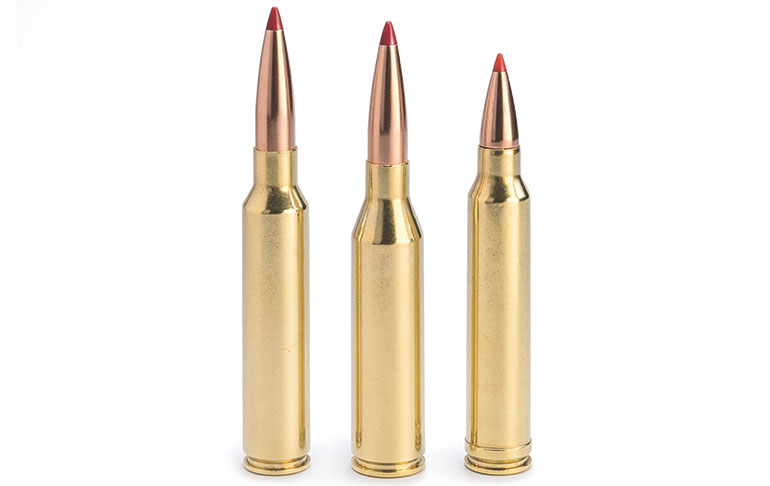
Reloading ammunition is a precise process, and one crucial step is lubricating the cases to ensure smooth resizing and prevent damage to the brass or reloading dies. Improper lubrication can result in stuck cases, damaged equipment, or inconsistent reloads. Several methods are available for case lubrication, each with unique advantages and drawbacks. This blog post explores the most common lubrication methods and evaluates their pros and cons, along with the debate over whether to lubricate cases before or after brass cleaning.
1. Spray-On Lubes
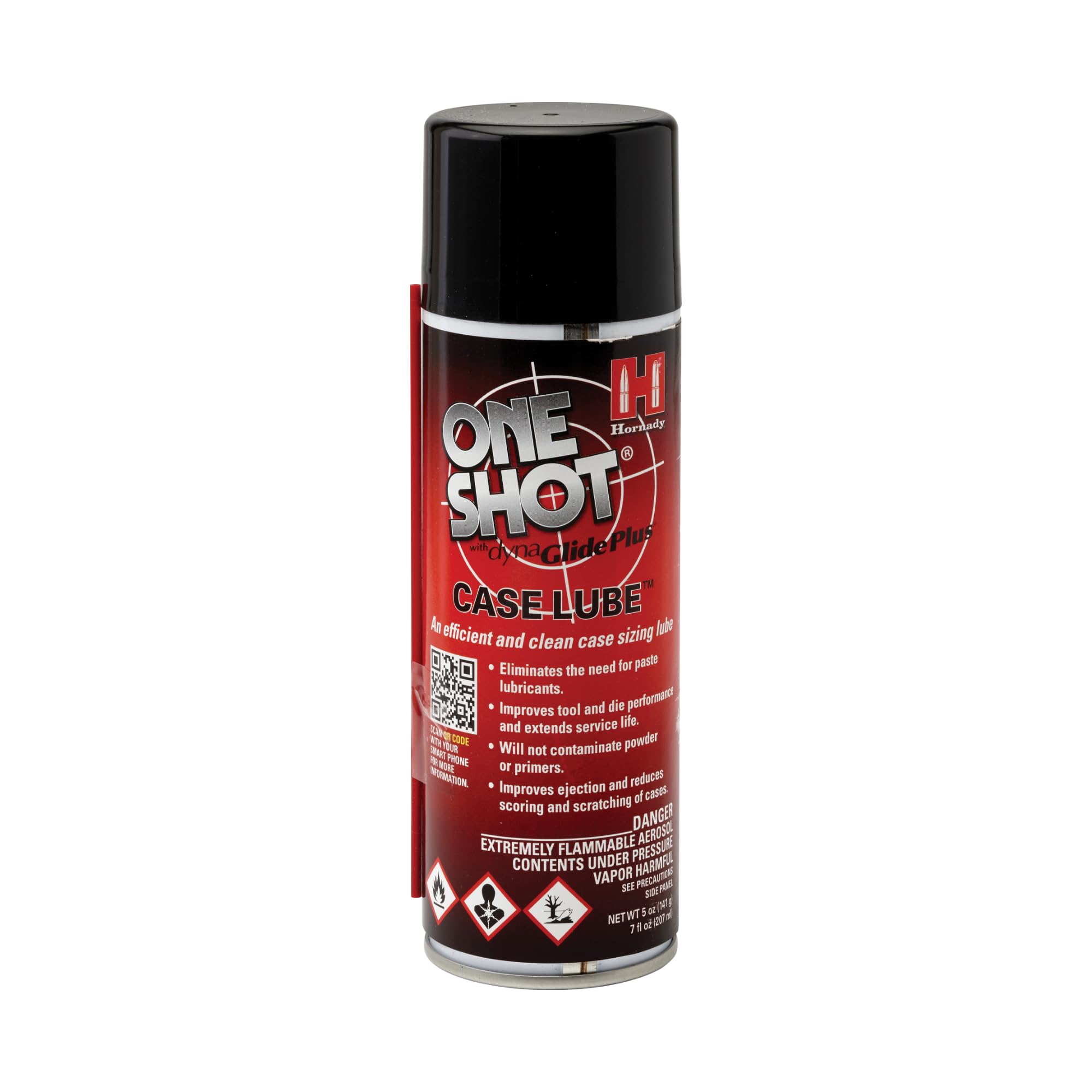
Spray-on case lubes are among the most popular options due to their ease of use and efficiency, especially for high-volume reloaders. Reloaders spray a fine mist of lubricant over cases, typically arranged in a tray. The cases are left to dry briefly before resizing. Some reloaders prefer to lubricate cases before cleaning, as cleaning can remove excess lubricant and any potential contaminants. Others argue for lubrication post-cleaning to ensure no dirt or residue interferes with resizing.
Pros:
Quick Application: Ideal for reloading large batches; simply spray and go.
Even Coating: Ensures consistent lubrication across the entire case.
Minimal Cleanup: Most spray lubes dry to a non-sticky finish, requiring less cleaning after resizing.
Suitable for High-Volume Reloading: Saves time compared to manual application methods.
Cons:
Potential Over-Spray: Can create a mess if not applied carefully.
Drying Time: Some sprays require waiting for the lubricant to dry before resizing.
Cost: Slightly more expensive than traditional lubes per use.
2. Pad Lubes
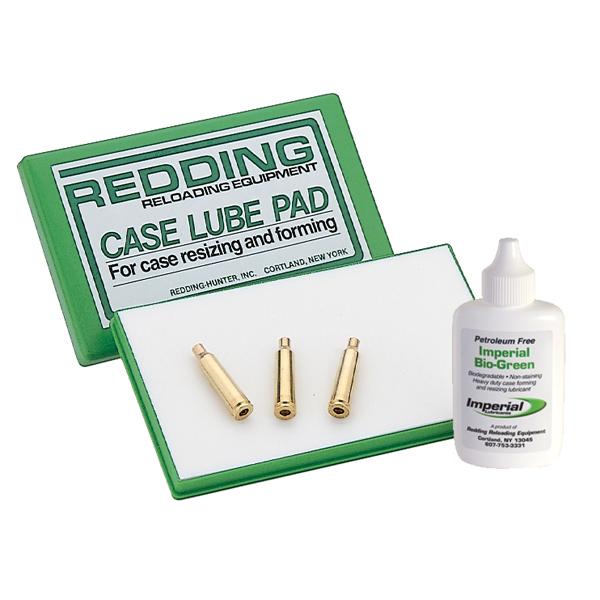
Pad lubes are a traditional method involving a lube pad and a bottle of liquid lubricant. Reloaders pour a small amount of liquid lube onto the pad and roll cases across the pad to coat them evenly. Pad lubes are often applied post-cleaning to prevent dirt or debris from being embedded into the brass during resizing. However, applying pre-cleaning can work if a thorough cleaning follows.
Pros:
Controlled Application: Allows precise control over how much lube is applied.
Cost-Effective: Liquid lube bottles last a long time, making this method economical.
Easy Cleanup: Pads are reusable and easy to clean.
Cons:
Time-Consuming: Rolling each case individually can be slow for large batches.
Inconsistent Application: Uneven pressure may lead to under-lubrication or over-lubrication.
Messy: Can leave residue on hands and workspace.
3. Wax-Based Lubes
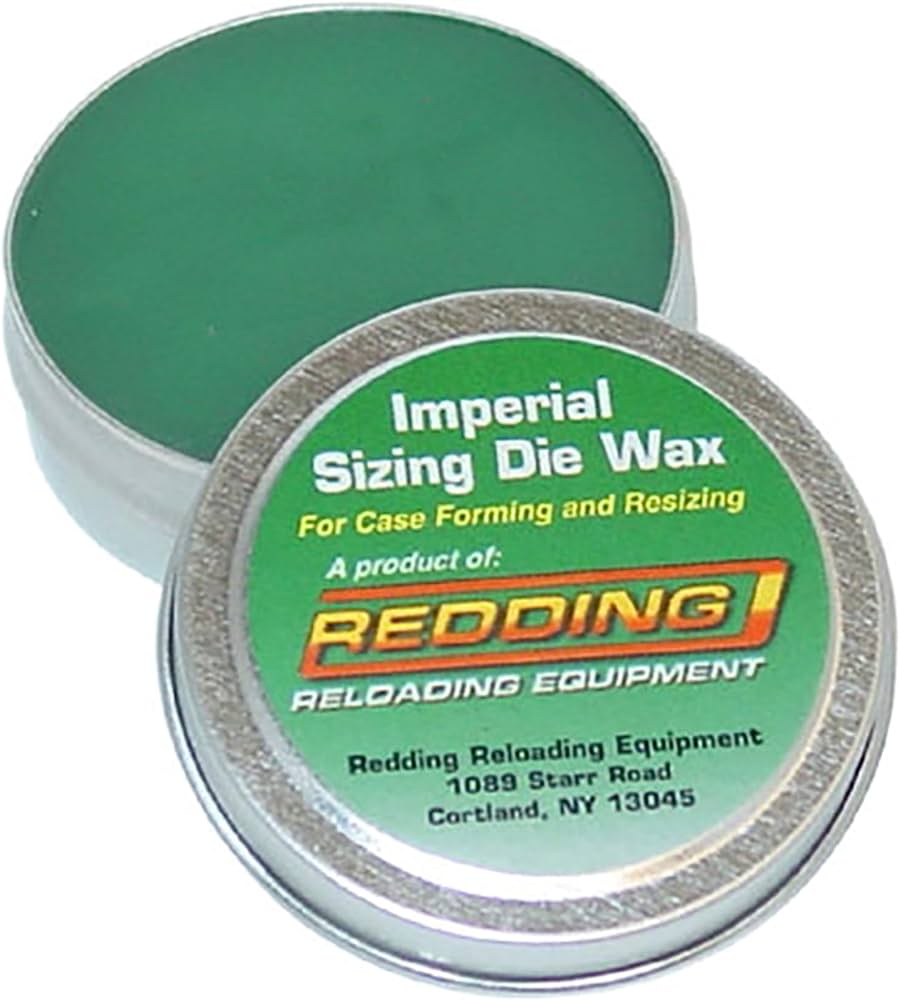
Wax-based lubes are a modern alternative that provides excellent lubrication with minimal residue. Reloaders apply a small amount of wax lube to their fingers and rub it onto each case, focusing on the body and neck. Wax-based lubes are typically applied post-cleaning to ensure a clean surface and avoid trapping dirt, which can interfere with resizing.
Pros:
Clean Finish: Leaves very little residue, reducing the need for post-resizing cleanup.
Highly Effective: Provides superior lubrication, reducing friction and wear on dies.
Long-Lasting: Small amounts go a long way.
Cons:
Time-Intensive: Requires manual application to each case.
Learning Curve: Over-application can lead to buildup in the die.
Higher Cost: Wax lubes are typically more expensive than other methods.
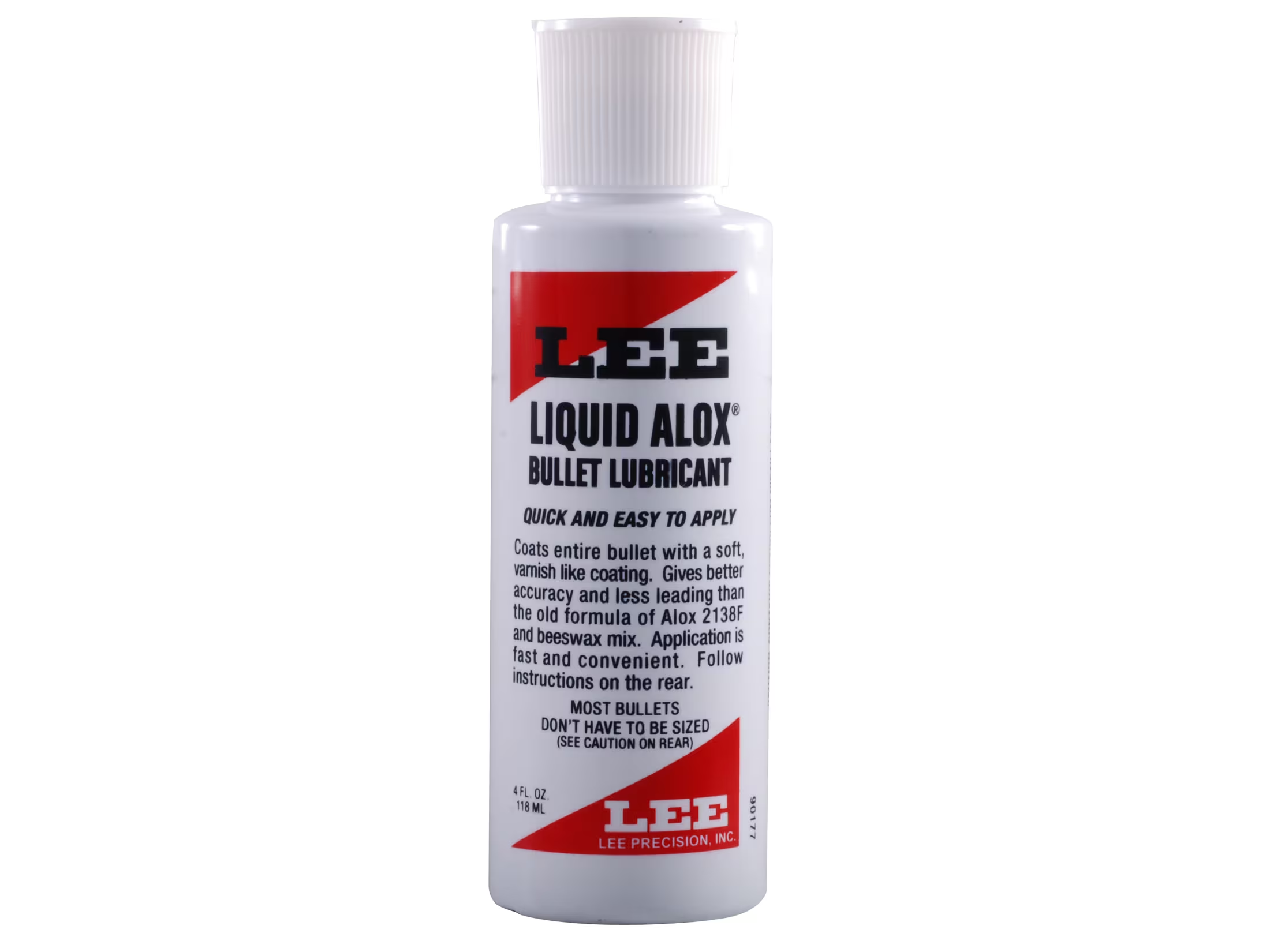
4. Liquid Lubes (Dip or Brush-On)
Liquid lubes are either brushed onto cases or the cases are dipped into a container of lube. Cases are coated with a thin layer of liquid lube using a brush or by dipping them directly into the lubricant. Liquid lubes are often used post-cleaning to ensure the brass is free of contaminants. However, pre-cleaning is viable if a second cleaning step is included.
Pros:
Excellent Coverage: Ensures even lubrication, especially in hard-to-reach areas.
Flexible Application: Suitable for both small and large batches.
Cost-Effective: Bottled liquid lubes last a long time.
Cons:
Messy: Requires extra cleanup of cases and equipment.
Drying Time: Some liquid lubes need time to dry before resizing.
Slow for Large Batches: Brushing each case individually can be tedious.
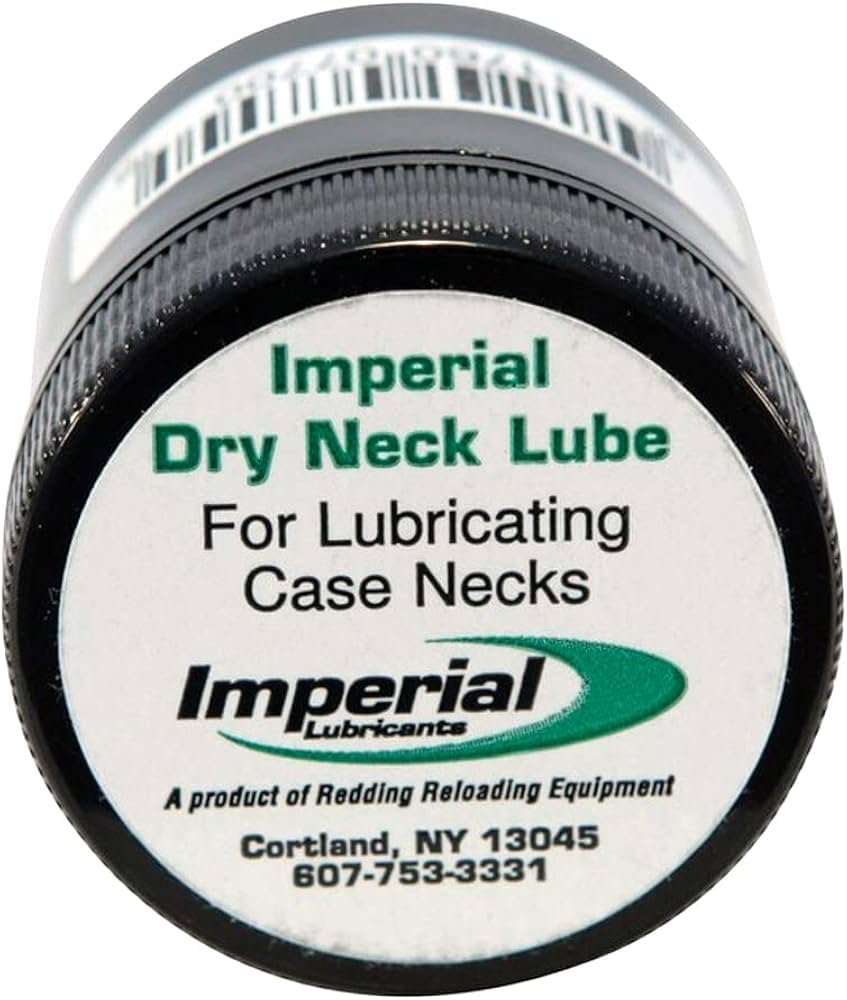
5. Dry Lubes
Dry lubes use powdered substances, such as mica or graphite, to reduce friction. Cases are dipped into a container of dry lube or rolled in a lube-coated tray to create a fine, friction-reducing layer. Dry lubes are almost exclusively used post-cleaning to avoid embedding dirt into the brass and ensure clean, precise application.
Pros:
No Residue: Leaves cases dry and clean, with no sticky or greasy film.
Great for Neck Lubrication: Ideal for lubricating case necks when resizing bottleneck cartridges.
No Drying Time: Can be used immediately after application.
Cons:
Less Effective on Case Bodies: Not as effective for full-length resizing where more lubrication is needed.
Messy to Handle: Fine powders can be difficult to contain and clean up.
Limited Applications: Best used as a supplemental lube rather than a primary method.
6. Homemade Lubes
Some reloaders opt for DIY lubes made from common household items, such as lanolin and isopropyl alcohol. A homemade mixture (e.g., liquid lanolin diluted with alcohol) is applied similarly to spray or liquid lubes.
Pros:
Customizable: Reloaders can tweak the formula to suit their needs.
Cost-Effective: DIY recipes are often cheaper than commercial products.
Highly Effective: Lanolin-based lubes provide excellent lubrication.
Cons:
Variable Quality: Effectiveness may vary depending on the mixture and application.
Time and Effort: Requires preparation and testing to get the formula right.
Potential Mess: Overuse can leave sticky residue.
Each lubrication method has its own advantages and disadvantages, and the choice often depends on the reloader's specific needs, preferences, and volume of reloading. High-volume reloaders might prefer spray lubes for efficiency, while precision shooters may favor wax-based lubes for their clean finish and excellent performance. The debate on whether to lubricate pre- or post-brass cleaning often comes down to personal preference, with post-cleaning offering the advantage of working with contaminant-free brass, while pre-cleaning can save time if thorough cleaning follows.