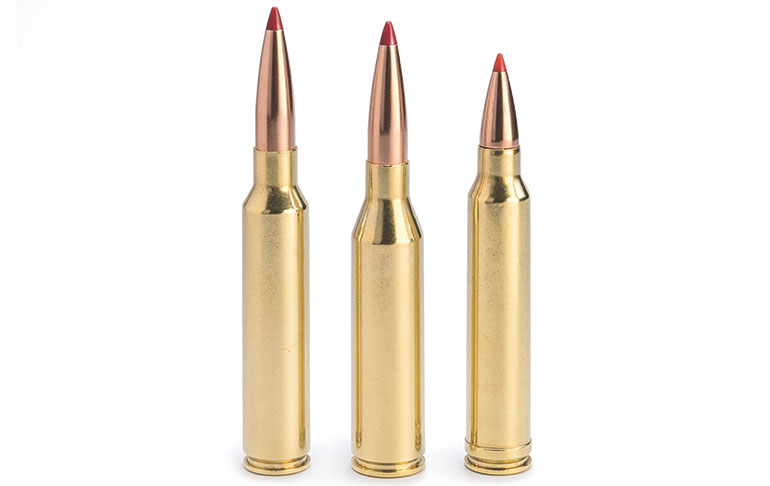
Why Filler Material Might Be Necessary When Reloading Subsonic Ammunition
Reloading subsonic ammunition involves challenges that differ significantly from those encountered when reloading standard or high-velocity rounds. One such challenge is managing the large case volume relative to the small powder charge required to achieve subsonic velocities. This imbalance can lead to inconsistent ignition, erratic velocities, and diminished accuracy. To address these issues, some reloaders turn to filler materials to occupy the excess case space. Below, we’ll explore why filler material might be necessary, the types of fillers available, and their proper use to ensure safe and effective subsonic loads. Our subsonic load data highlights loads where the use of filler material is recommended.
The Role of Case Fill in Reloading
In standard loads, the powder charge typically occupies a substantial portion of the case, ensuring consistent ignition and burn rates. However, subsonic loads require significantly less powder to keep velocities below the speed of sound (approximately 1,125 feet per second at sea level). This reduced charge leaves a large empty space in the case, which can cause the following problems:
Inconsistent Powder Positioning: Without a filler, the powder may shift inside the case, especially when the firearm is moved. This can result in inconsistent ignition as the primer flame may have to travel further to reach the powder.
Erratic Velocities: Uneven powder burn due to varying positioning can lead to fluctuations in velocity. This inconsistency negatively impacts accuracy and can make the ammunition unreliable for precision shooting.
Incomplete Combustion: When the powder isn’t properly contained, it may not burn efficiently, leaving unburnt residue in the barrel and reducing overall performance.
How Fillers Address These Issues
Fillers are materials inserted into the case between the powder charge and the bullet to take up the empty space. By holding the powder in place, fillers ensure consistent ignition and powder burn, which translates to improved accuracy and reliability. Here’s how fillers help:
Consistent Powder Position: Fillers prevent the powder from moving around in the case, ensuring it remains near the primer for reliable ignition.
Improved Accuracy: By promoting a uniform burn rate, fillers help maintain consistent muzzle velocities, leading to tighter shot groups.
Reduced Fouling: Properly used fillers can aid in more complete powder combustion, minimizing unburnt residues that could foul the barrel or action.
Filler Material Options
The most common and popular filler materials are the following.
Dacron (Polyester Fiberfill)
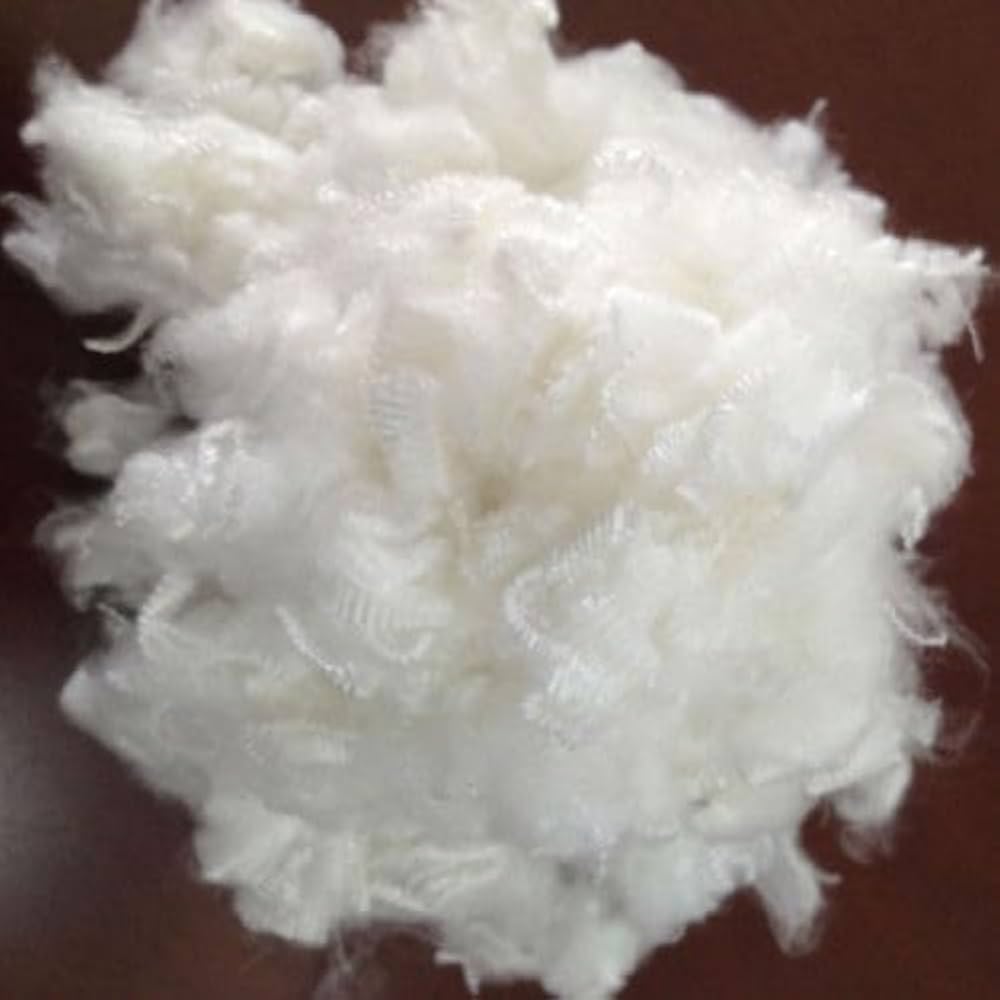
A synthetic polyester material commonly found in pillows and stuffed toys. It's lightweight and can be easily inserted into cases to hold the powder against the primer.Small amounts are placed over the powder charge to prevent movement within the case. It's important not to compress Dacron tightly; a loose fill is sufficient.
Kapok
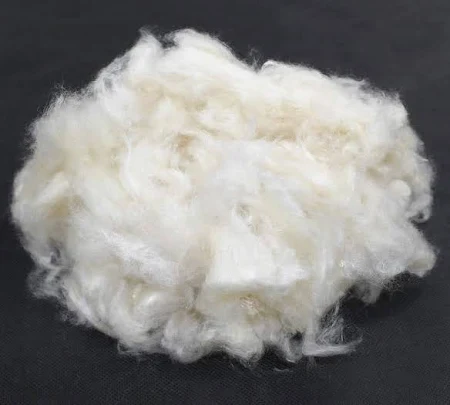
A natural fiber obtained from the seed pods of the kapok tree.It's light and fluffy, similar to cotton, and was traditionally used as a filler material.Inserted over the powder charge to maintain consistent powder positioning.Care should be taken to use appropriate amounts to avoid over-compression.
Puff-Lon
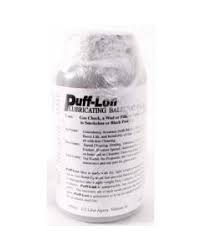
A commercially available granular filler designed specifically for reloading purposes. It helps eliminate powder shift and other issues in reduced loads.Added to the case to occupy space and ensure consistent ignition, particularly useful in subsonic loadings for cartridges like the .300 Blackout.
Cream of Wheat (CoW)
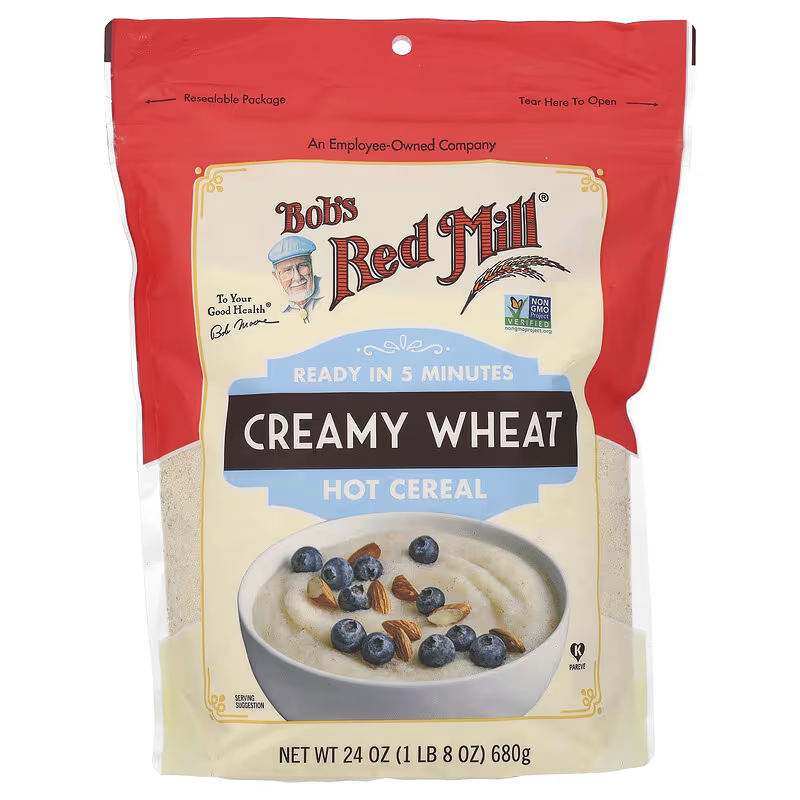
A fine wheat-based cereal product. Some reloaders have used it as a filler due to its granular nature.Poured over the powder charge to fill the case.However, it can leave residue in the barrel and is less commonly recommended due to potential complications.
Polyester Batting
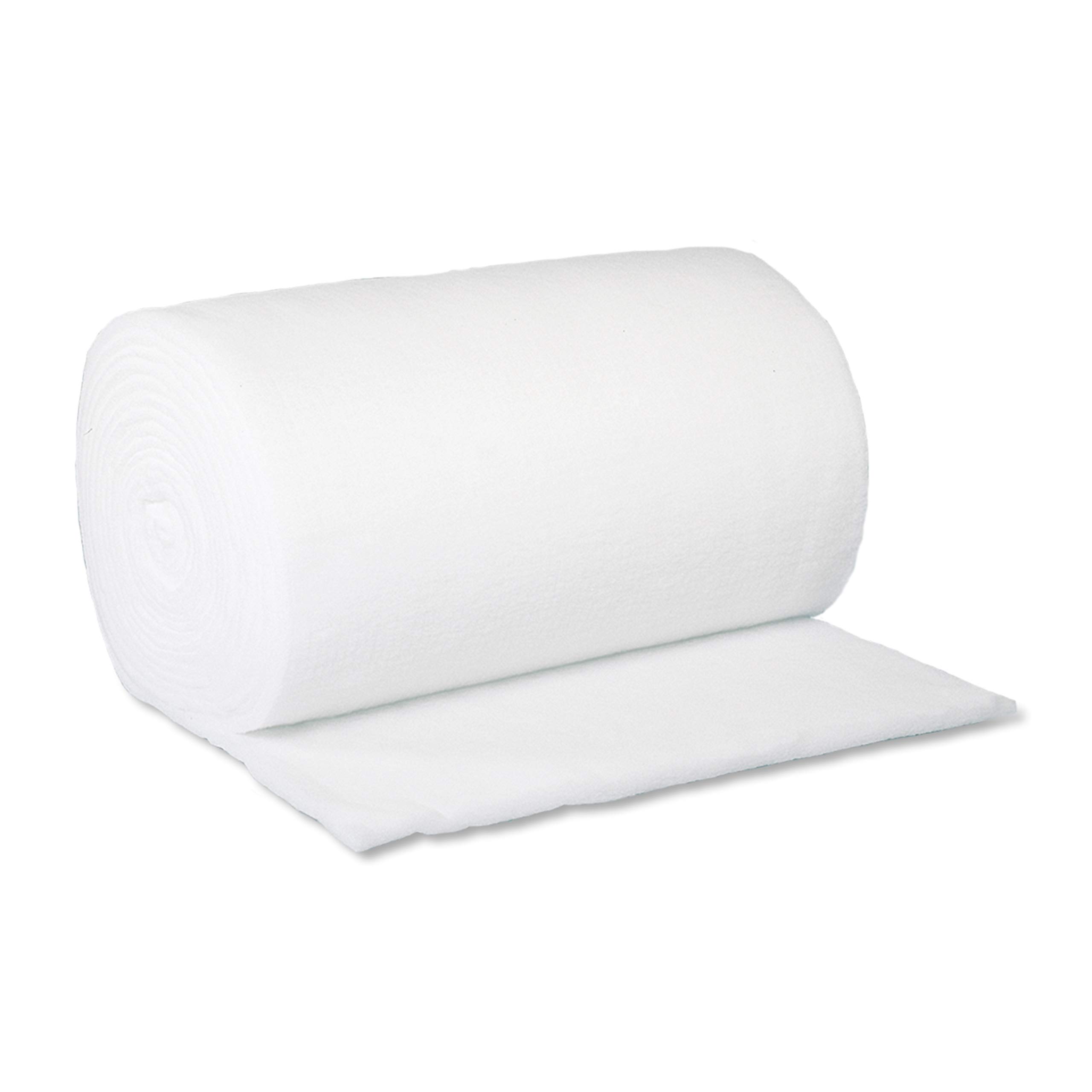
Sheets of polyester fibers used in quilting and upholstery. It can be cut into small pieces and used as a filler.Small squares are inserted over the powder to keep it in place. It's essential to use the correct amount to avoid creating high-pressure zones.
Alternatives:
Specific powders like Accurate 5744 and Hodgdon Trail Boss are designed for reduced loads and often eliminate the need for fillers. These powders provide consistent performance in subsonic applications without additional case fillers.